


The endocannabinoid system (ECS) plays a critical role in maintaining internal balance throughout the body. It regulates functions such as mood, appetite, inflammation, immune response, and pain perception. While many people are familiar with cannabinoids like THC and CBD, a lesser-known yet highly valuable compound is BCP benefits. This natural terpene stands out due to its direct interaction with the ECS, making it a promising tool in supporting health and wellness.
Table of Contents
This article explores how BCP benefits the endocannabinoid system, the mechanisms behind its actions, and the most notable caryophyllene effects observed in current research.
What Is Beta-Caryophyllene?
Beta-caryophyllene is a naturally occurring terpene found in various plants, including black pepper, cloves, basil, hops, and certain strains of cannabis. It has a spicy, peppery aroma and contributes to the flavor and fragrance of many culinary herbs. Unlike most terpenes, BCP is classified as a dietary cannabinoid because it can bind directly to cannabinoid receptors, particularly the CB2 receptors found throughout the body.
This interaction is central to understanding how does BCP works and why it holds therapeutic potential. While it does not cause psychoactive effects like THC, BCP offers unique physiological benefits by modulating the body’s internal systems through the ECS.
The Endocannabinoid System and Its Functions
The endocannabinoid system is a complex signaling network found in all mammals. It consists of endocannabinoids produced by the body, cannabinoid receptors (CB1 and CB2), and enzymes that break down these compounds once they have completed their function. The primary goal of the ECS is to maintain homeostasis, ensuring that various internal systems operate in harmony.
CB1 receptors are primarily located in the brain and central nervous system, while CB2 receptors are abundant in the immune system and peripheral tissues. These receptors influence mood, pain sensation, inflammation, and immune responses, making the ECS crucial for overall well-being.
How Does BCP Work With the ECS?
To understand how BCP works, it’s important to focus on its interaction with CB2 receptors. When BCP binds to CB2 receptors, it triggers a cascade of responses that reduce inflammation, modulate pain, and support immune health. This activity makes BCP a rare terpene with direct influence on the ECS without engaging the CB1 receptors associated with psychoactive effects.
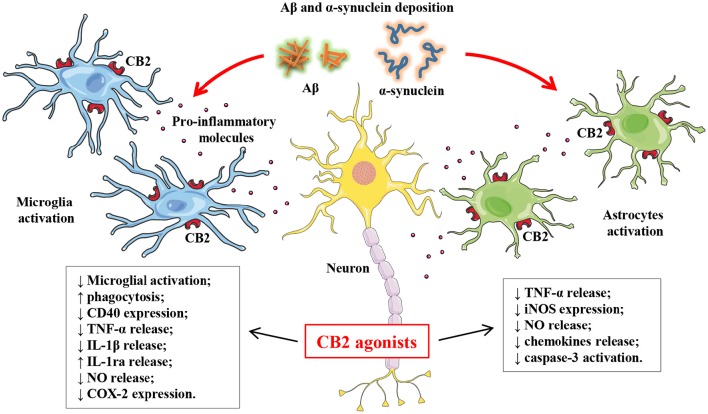
This selectivity allows BCP to offer therapeutic effects such as pain relief and immune regulation while remaining non-intoxicating. The ability to influence the ECS so precisely is a major reason BCP benefits are gaining attention in both scientific and wellness communities.
BCP Benefits for Human Health
Anti-Inflammatory Properties
One of the most well-documented BCP benefits is its anti-inflammatory capability. Chronic inflammation is a contributing factor in numerous health conditions, including arthritis, cardiovascular disease, and autoimmune disorders. BCP helps regulate the body’s inflammatory responses through its activation of CB2 receptors, leading to a natural reduction in inflammation without the need for synthetic drugs.
Natural Pain Relief
BCP also plays a significant role in pain modulation. As it interacts with CB2 receptors in peripheral tissues, it reduces pain signals and provides a natural analgesic effect. This makes it an appealing option for individuals seeking non-opioid methods of managing chronic or acute pain.
Emotional and Mental Balance
BCP’s influence on mood and anxiety is another exciting area of research. By supporting the ECS’s role in emotional regulation, BCP may help reduce anxiety and promote a sense of calm. These caryophyllene effects are especially valuable for people looking for holistic approaches to emotional well-being without the side effects commonly associated with pharmaceuticals.
Immune System Support
The immune system relies heavily on signaling pathways regulated by the ECS. BCP supports immune health by interacting with CB2 receptors on immune cells, helping to balance immune responses and protect against overactivity that could lead to autoimmune complications. These mechanisms are central to how BCP benefits immune function and overall wellness.
Neuroprotective Potential
Emerging research points to neuroprotective caryophyllene effects. BCP has demonstrated the ability to protect brain cells from oxidative stress and inflammation, both of which are contributors to cognitive decline and neurodegenerative diseases. This positions BCP as a potential supplement for maintaining brain health over time.
Natural Sources of BCP
BCP is found naturally in a variety of herbs and spices, such as black pepper, cloves, oregano, and cinnamon. It is also present in some cannabis strains and is a component of several essential oils. These sources make it easy to incorporate BCP into a wellness routine, whether through diet, aromatherapy, or supplementation.
Regular intake of BCP-rich foods and oils can offer continuous support to the endocannabinoid system. Many people use BCP essential oils for topical or aromatic applications to take advantage of its therapeutic properties.
Research and Future Applications
The study of how BCP works and its broader health applications is still growing. Current research highlights its potential in treating inflammation-related disorders, managing chronic pain, supporting mental health, and preserving cognitive function. As interest in natural compounds continues to rise, more clinical studies are expected to confirm and expand upon these initial findings.
One of the most compelling aspects of BCP is its safety profile. Because it is found in common foods and lacks psychoactive effects, BCP can be used daily without concerns about dependency or intoxication. This makes it an ideal candidate for long-term use in preventive health strategies.
FAQs
What does BCP do in the body?
BCP interacts directly with CB2 receptors in the endocannabinoid system, helping to reduce inflammation, ease pain, and support immune function without causing psychoactive effects.
Is BCP the same as CBD or THC?
No, BCP is a terpene, while CBD and THC are cannabinoids. However, BCP is unique in that it behaves like a cannabinoid by binding to CB2 receptors, which contributes to its health-promoting effects.
How does BCP work without affecting the brain?
BCP targets CB2 receptors, which are mainly located outside the brain in immune and peripheral tissues. It avoids CB1 receptors, which are responsible for the psychoactive effects seen with compounds like THC.
What are the primary caryophyllene effects?
The most notable caryophyllene effects include anti-inflammatory action, pain relief, anxiety reduction, immune system modulation, and neuroprotection, all through ECS regulation.
Can I use BCP daily?
Yes, BCP is safe for daily use and is found in many foods and essential oils. It is non-intoxicating and has a low risk of side effects, making it suitable for regular wellness support.
Conclusion
Understanding how BCP works and the diverse BCP benefits it provides opens up new possibilities for natural wellness strategies. From supporting the endocannabinoid system to offering neuroprotective and anti-inflammatory effects, the caryophyllene effects are both powerful and wide-ranging. As research advances, BCP may soon become a cornerstone of natural health solutions, offering safe and effective support for the body’s internal balance.


