


Inventory management is the backbone of efficient industrial operations, and in today’s fast-paced business environment, precision is paramount. For manufacturers and distributors, accurately and efficiently tracking parts can be the difference between smooth operations and costly disruptions.
Table of Contents
Part marking is one of the most powerful tools available to improve inventory management and tracking. It helps businesses streamline processes, enhance product traceability, and reduce operational inefficiencies. This guide will explore how part marking enhances inventory management and tracking in unique and impactful ways.
Understanding the Role of Part Marking in Inventory Management
Part marking is the practice of labeling or engraving products and components with identification markers that can be easily scanned or tracked. This process involves applying a unique code, barcode, QR code, or serial number to each part or product to ensure easy identification, traceability, and monitoring throughout its lifecycle. While the primary goal of part marking is to provide clear identification, it also plays a significant role in improving inventory tracking, reducing human error, and ensuring real-time data availability.
In an industrial setting, this could mean the difference between tracking parts in a manual spreadsheet and having a fully automated system that offers real-time visibility into your inventory status. The addition of industrial marking solutions means businesses can track components from manufacturing to shipping, reducing risks and boosting operational productivity.

The Role of Part Marking Beyond Just Inventory Control
Although part marking is traditionally associated with inventory management, its potential goes far beyond just tracking parts. Here are a few unique ways part marking contributes to smoother operations:
1. Enhancing Product Lifecycle Management
Product lifecycle management (PLM) is an integral part of manufacturing and logistics. By using part marking as part of a lifecycle management strategy, businesses can track a part’s journey through its entire lifecycle—from production to end use. Whether it’s a product sitting in a warehouse, a component on a production line, or a finished item being shipped to a customer, part marking ensures that each stage of the product’s journey is documented.
For example, industrial marking products can be used to link parts to production records, maintenance logs, and warranty information. This allows companies to know the status of each part at any given time. In case of a defect or recall, marked parts can be traced back to their origin, reducing costly recalls and improving customer satisfaction.
2. Reducing Lead Times with Real-Time Data
In a fast-paced manufacturing environment, reducing lead times is crucial for improving overall efficiency and reducing costs. Part marking can directly impact lead time by ensuring that all items can be instantly tracked and updated in real time.
Part marking methods like RFID or QR codes allow inventory systems to update stock levels and item locations in real time as parts move through the supply chain. RFID tags, for example, can be scanned at each station to track progress and prevent bottlenecks, helping businesses respond faster to production demands and reducing lead time.
3. Improving Workflow and Employee Productivity
Marking parts with unique identifiers improves workflow by allowing employees to scan and retrieve product data quickly, reducing delays and time spent searching for components. This leads to smoother operations and less downtime across the production process.
This efficiency also extends to production lines. Clear part markings on parts help assembly workers avoid deciphering codes or waiting for updates, boosting productivity and speeding up production timelines. It ensures that tasks are completed faster and with greater accuracy.
4. Supporting Lean Manufacturing Principles
Lean manufacturing is focused on reducing waste while maximizing productivity. One of the fundamental components of lean manufacturing is having the right part at the right time in the right place. Part marking supports this principle by ensuring that inventory is efficiently tracked and that no parts are lost or misplaced.
For example, industrial marking products like barcodes or RFID tags allow parts to be automatically identified and stored in a logical and optimized order. This ensures that inventory levels are accurate and prevents overstocking or understocking, both of which contribute to inefficiency. In turn, businesses can avoid wasted resources and ensure that the production line moves seamlessly without delays or interruptions.
5. Ensuring Better Supplier and Vendor Collaboration
In supply chain operations, visibility is key. Clearly marked parts with identification codes help suppliers and vendors collaborate more effectively. For instance, markings can include batch numbers, production dates, or handling instructions, making it easier to ensure the right parts are delivered on time and to specifications. This improves communication and strengthens the overall supply chain process.
Additionally, if issues arise with certain parts, part markings can quickly identify which batches were affected, making supplier negotiations or returns smoother and more efficient. Enhanced communication through effective marking systems fosters better relationships between businesses and their suppliers, which ultimately leads to cost savings and streamlined procurement.
6. Improving Safety and Compliance
Part marking also plays a critical role in safety and compliance. In industries like aerospace, automotive, and pharmaceuticals, precise record-keeping is required by regulatory bodies to ensure that all parts meet safety standards. With this service solution, parts can be easily identified and traced to ensure they meet industry regulations.
For instance, serial numbers or lot codes marked on parts can help demonstrate that each component complies with safety standards and can be traced back in the event of a product recall or safety issue. This significantly enhances regulatory compliance efforts and minimizes the risk of costly fines or reputational damage.

Common Challenges and Solutions in Part Marking for Inventory Management
While part marking offers numerous benefits, businesses should be aware of a few challenges and how to address them:
1. Environmental Conditions Affecting Marking Durability
Some environments, particularly those involving high temperatures or exposure to harsh chemicals, may cause part markings to fade or degrade over time. Using industrial marking products designed for tough environments, such as high-quality laser marking or specialized inks, can ensure the longevity and readability of markings even under extreme conditions.
2. Integration with Existing Systems
Sometimes integrating new part marking solutions with existing inventory management systems can be complex. However, many modern industrial marking technologies come with built-in compatibility features for seamless integration with RFID scanners, ERP systems, and barcode readers, making the transition to smarter marking systems smoother.
3. Training Staff to Use New Technologies
Implementing part marking systems may require training employees to use new scanning or data management technologies. However, once these systems are in place, the long-term benefits—such as improved accuracy, better inventory control, and reduced operational costs—make the initial learning curve worthwhile.
Frequently Asked Questions (FAQs)
How does part marking improve inventory tracking?
Part marking improves inventory tracking by providing unique identifiers for each item, allowing real-time monitoring and reducing human error during stock checks.
What are the most common types of part marking methods?
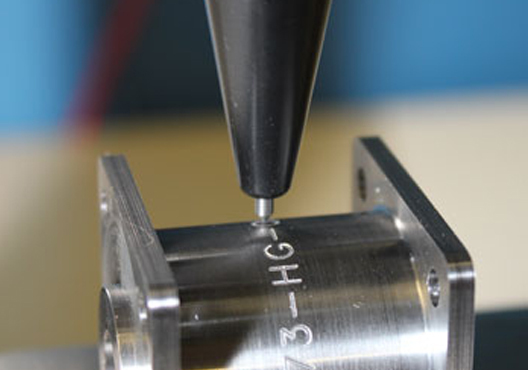
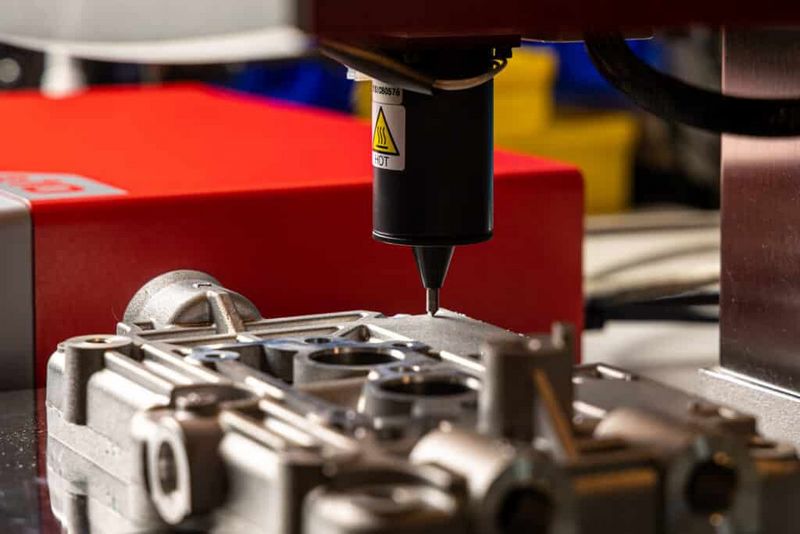
Common part marking methods include laser engraving, inkjet printing, barcode and RFID marking, and dot peen marking, each offering unique benefits depending on the application.
Can part marking help reduce operational costs?
Yes, part marking reduces operational costs by improving inventory accuracy, reducing stockouts and overstocking, and streamlining the supply chain, leading to lower waste and better resource management.
How does part marking contribute to lean manufacturing?
Part marking helps implement lean manufacturing by optimizing inventory management, reducing waste, and ensuring that parts are always available when needed without excess stock.
What role does part marking play in compliance and safety?
Part marking helps ensure compliance by making it easier to trace parts and confirm their adherence to industry regulations. It also supports safety by allowing quick identification in case of a recall or defect.
Conclusion
Part marking is a cornerstone of modern inventory management and tracking systems, playing a vital role in enhancing efficiency, reducing errors, and improving traceability across the supply chain. By adopting part marking technologies, businesses can streamline operations, minimize risks, and ensure compliance with regulatory standards. Whether through barcode labeling, RFID tags, or laser etching, industrial marking products enable companies to gain better control over their inventory, reduce costs, and increase productivity. As industries continue to evolve and the demand for precision grows, part marking will remain an essential tool for businesses aiming to stay ahead in an increasingly competitive and regulated market.


