


When it comes to enhancing the exterior of your commercial property, cladding is a crucial element that can dramatically improve both the aesthetic appeal and the durability of your building. Among the various materials available, timber cladding stands out as a popular choice for businesses due to its natural beauty, versatility, and sustainability. However, selecting the right type of timber cladding, whether it be red cedar cladding or cedar cladding, requires careful consideration. In this article, we explore the key factors to consider when choosing wood cladding for your business, ensuring that you make an informed decision that aligns with your needs and goals.
Table of Contents
Why Choose Timber Cladding?
1. Aesthetic Appeal
One of the primary reasons businesses opt for timber cladding is its natural aesthetic appeal. Timber offers a warm, inviting look that can enhance the overall appearance of your building. Whether you choose red cedar cladding or another type of wood, the unique grain patterns and natural color variations can add character and charm to your property.
2. Versatility in Design
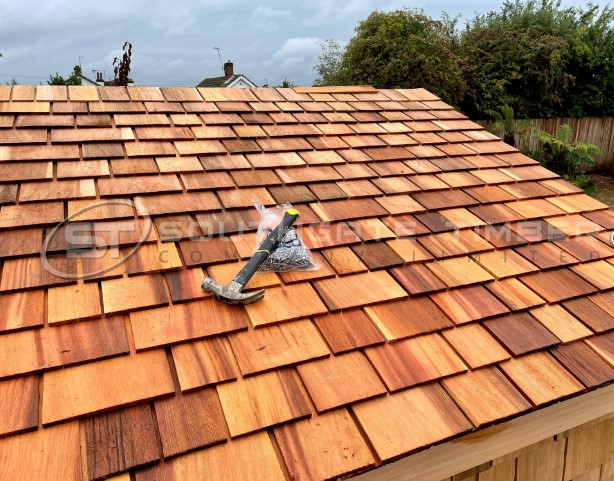
Timber cladding provides significant flexibility in design. It can be used to achieve a variety of architectural styles, from modern and minimalist to rustic and traditional. Cedar cladding, in particular, is known for its ability to adapt to different design aesthetics, making it a versatile option for businesses looking to create a distinctive look.
3. Sustainability
Sustainability is increasingly important in today’s business environment. Timber cladding is an environmentally friendly choice, especially when sourced from responsibly managed forests. Red cedar cladding, for instance, is often harvested in a way that ensures the long-term health of forests, making it a sustainable option for eco-conscious businesses.
4. Durability
While timber is a natural material, it can be incredibly durable when properly treated and maintained. Cedar cladding is naturally resistant to decay, insects, and moisture, making it an excellent choice for businesses in areas with harsh weather conditions. This durability ensures that your cladding will remain attractive and functional for years to come.
Key Considerations When Selecting Timber Cladding
1. Type of Wood
The type of wood you choose for your cladding will significantly impact the look, durability, and maintenance requirements of your building’s exterior. Red cedar cladding is a popular choice due to its rich color and natural resistance to decay. However, other types of wood, such as larch or oak, may offer different aesthetic and functional benefits. Consider the specific characteristics of each wood type to determine which is best suited to your business needs.
2. Maintenance Requirements
Different types of timber cladding have varying maintenance needs. Cedar cladding, for example, requires minimal maintenance compared to other wood types. It naturally weathers to a silver-gray patina over time, which can be either a desired effect or something you may want to prevent with regular staining or sealing. Understanding the maintenance requirements will help you plan for the long-term care of your cladding.
3. Climate Considerations
The climate in your area should play a significant role in your choice of cladding. For instance, if your business is located in a region with high humidity or frequent rain, you might want to choose a wood-like cedar cladding, which has a natural resistance to moisture. In contrast, in drier climates, other types of timber might be more suitable.
4. Installation and Cost
The installation process and associated costs are also important factors to consider. Timber cladding can vary in price depending on the type of wood, the complexity of the installation, and the quality of the materials. Red cedar cladding tends to be more expensive due to its premium qualities, but it can offer significant long-term value due to its durability and low maintenance requirements.
5. Environmental Impact
As businesses increasingly focus on sustainability, the environmental impact of timber cladding is a key consideration. Look for wood that is certified by organizations like the Forest Stewardship Council (FSC), which ensures that the timber is harvested responsibly. Red cedar cladding is often sourced from sustainable forests, making it an eco-friendly choice for businesses that prioritize environmental responsibility.
Frequently Asked Questions (FAQs)
What are the benefits of using red cedar cladding for my business?
Red cedar cladding offers several benefits, including natural resistance to decay and insects, a rich and attractive appearance, and sustainability. It is also relatively low-maintenance, making it a practical choice for business properties.
How often does timber cladding need to be maintained?
The maintenance frequency depends on the type of wood and the desired appearance. Cedar cladding typically requires less maintenance and can be left to weather naturally. However, if you prefer to maintain its original color, regular staining or sealing every few years may be necessary.
Is timber cladding a good option for all climates?
Yes, but the type of timber cladding you choose should be suited to your local climate. For example, cedar cladding is ideal for wet or humid climates due to its moisture resistance, while other woods may be better suited to dry, arid conditions.
What is the environmental impact of using timber cladding?
Timber cladding is generally considered an environmentally friendly option, especially when the wood is sourced from certified sustainable forests. Red cedar cladding is often harvested in a way that supports forest regeneration and ecological balance.
Can I install timber cladding myself, or do I need a professional?
While it is possible to install timber cladding yourself, it is recommended to hire a professional for the best results, especially for complex designs or high-quality materials like red cedar cladding. Professional installation ensures proper sealing, alignment, and longevity.
Conclusion
Selecting the right timber cladding for your business is a decision that involves careful consideration of several factors, including aesthetic appeal, durability, maintenance, and environmental impact. Red cedar cladding stands out as a top choice due to its rich color, natural resistance to the elements, and sustainability. By understanding the key considerations and asking the right questions, you can choose a cladding option that enhances your business’s exterior while aligning with your values and long-term goals.


