


Creating a successful blog requires more than just writing and publishing random articles. If you want to attract and retain readers while boosting your website’s visibility, you need to develop a well-thought-out blog content strategy. This strategy will serve as a roadmap, guiding your content development efforts and ensuring that every piece of content you produce aligns with your business goals.
Table of Contents
What is a Blog Content Strategy?
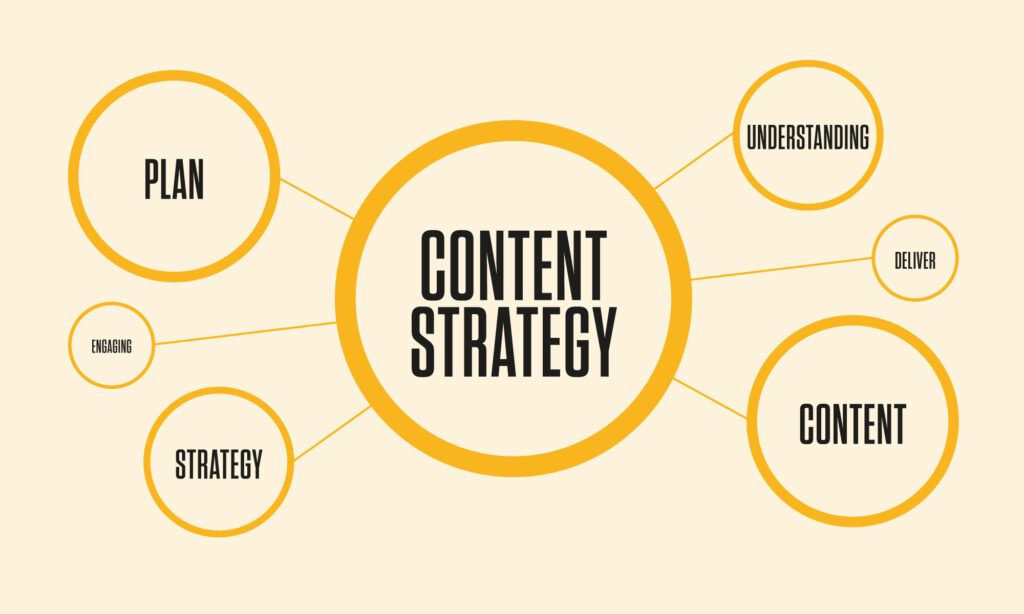
A blog content strategy is a plan that outlines how you will create, publish, and manage content on your blog. It involves identifying your target audience, setting goals, choosing the right topics, and determining the best way to distribute and promote your content. A well-defined blog content strategy ensures that every post serves a specific purpose, whether it’s driving traffic, generating leads, or establishing your brand as an authority in your industry.
The Importance of a Blog Content Strategy
Without a content strategy, your blog can quickly become a disorganized collection of posts that fail to resonate with your audience or achieve your business objectives. Here’s why a blog content strategy is crucial:
- Aligns Content with Business Goals: A strategy helps ensure that your content supports your overall business goals, whether that’s increasing brand awareness, driving sales, or improving SEO.
- Improves Audience Engagement: By understanding your audience’s needs and preferences, you can create content that truly resonates with them, leading to higher engagement and loyalty.
- Boosts SEO: A well-planned content strategy incorporates keyword research and SEO best practices, helping your blog rank higher in search engine results.
- Saves Time and Resources: With a clear strategy in place, you can avoid wasting time on content that doesn’t deliver results and focus on what works.
- Enhances Content Quality: A strategy allows you to plan and create high-quality content consistently, which is key to building trust with your audience.
Steps to Develop a Blog Content Strategy
1. Define Your Goals
Before you start planning your content, you need to define what you want to achieve with your blog. Your goals will guide your content creation and help you measure success. Common blog goals include:
- Increasing Website Traffic: If your primary goal is to attract more visitors to your site, your content strategy should focus on topics that are highly searched and relevant to your audience.
- Generating Leads: To convert readers into leads, you’ll need to create content that addresses their pain points and offers solutions, often in the form of gated content like eBooks or webinars.
- Building Brand Authority: To position your brand as a thought leader, focus on creating in-depth, informative content that showcases your expertise in your industry.
2. Understand Your Audience
Understanding your target audience is crucial for creating content that resonates with them. Start by developing buyer personas that represent your ideal readers. These personas should include:
- Demographics: Age, gender, location, education level, etc.
- Psychographics: Interests, values, lifestyle, etc.
- Pain Points: Challenges or problems they are looking to solve.
- Content Preferences: Preferred content formats (blogs, videos, infographics), topics of interest, etc.
Once you have a clear picture of your audience, you can tailor your content to meet their needs and preferences.
3. Conduct Keyword Research
Keyword research is the foundation of any successful blog content strategy. By identifying the keywords and phrases your audience is searching for, you can create content that ranks well in search engines and attracts organic traffic. Here’s how to do it:
- Use Keyword Research Tools: Tools like Google Keyword Planner, SEMrush, or Ahrefs can help you discover relevant keywords with high search volume and low competition.
- Focus on Long-Tail Keywords: Long-tail keywords (phrases with three or more words) are often less competitive and more specific, making it easier to rank for them.
- Analyze Competitors: Look at the keywords your competitors are targeting and identify gaps where you can create better content.
- Incorporate Keywords Naturally: Once you’ve identified your target keywords, incorporate them naturally into your content, including the title, headings, and body text.

4. Plan Your Content
With your goals, audience, and keywords in mind, it’s time to start planning your content. This involves:
- Choosing Content Topics: Based on your keyword research, select topics that align with your goals and resonate with your audience.
- Creating a Content Calendar: A content calendar helps you stay organized and ensures that you publish content consistently. It should include details like publication dates, topics, keywords, and content formats.
- Diversifying Content Types: Mix up your content by including different formats, such as blog posts, infographics, videos, and podcasts. This keeps your audience engaged and caters to different preferences.
5. Create High-Quality Content
High-quality content is essential for attracting and retaining readers. Here’s how to ensure your content stands out:
- Write Compelling Headlines: Your headline is the first thing readers see, so make it attention-grabbing and relevant to the content.
- Provide Value: Your content should offer actionable insights, solve a problem, or provide valuable information that meets your audience’s needs.
- Use Visuals: Incorporate images, infographics, and videos to make your content more engaging and easier to digest.
- Optimize for SEO: In addition to using keywords, optimize your content for SEO by including meta descriptions, internal links, and alt text for images.
- Edit and Proofread: Ensure your content is free of errors and flows smoothly by thoroughly editing and proofreading before publishing.
6. Promote Your Content
Creating great content is only half the battle—you also need to promote it effectively. Here are some promotion strategies:
- Leverage Social Media: Share your content on social media platforms where your audience is active. Use eye-catching visuals and compelling captions to increase engagement.
- Build an Email List: Email marketing is a powerful way to drive traffic to your blog. Send regular newsletters with links to your latest posts.
- Guest Blogging: Contribute guest posts to reputable blogs in your industry to reach a wider audience and drive traffic back to your site.
- Collaborate with Influencers: Partner with influencers in your niche to promote your content to their followers.
7. Measure and Analyze Results
Finally, it’s important to track the performance of your blog content to see what’s working and what’s not. Use tools like Google Analytics to monitor key metrics such as:
- Traffic: How many visitors are coming to your blog?
- Engagement: Are readers spending time on your site and interacting with your content?
- Conversion Rates: Is your content generating leads or driving sales?
- SEO Performance: Are your posts ranking for your target keywords?
Use these insights to refine your content strategy and make data-driven decisions for future content.

FAQs
What is the role of Content Development Services in a blog content strategy?
Content Development Services play a critical role in a blog content strategy by providing professional expertise in content creation, optimization, and distribution. These services help businesses produce high-quality, SEO-friendly content that aligns with their goals and resonates with their audience. Whether you need help with keyword research, writing, editing, or promoting your content, a content development service can streamline the process and improve your blog’s effectiveness.
How often should I publish blog posts?
The frequency of blog posts depends on your resources and goals. Consistency is key, so whether you choose to publish weekly, bi-weekly, or monthly, make sure you stick to a regular schedule. More frequent posting can boost traffic and SEO, but quality should never be sacrificed for quantity.
How do I know if my content strategy is working?
To determine if your content strategy is effective, track key performance metrics such as website traffic, engagement rates, conversion rates, and keyword rankings. Regularly analyze these metrics to identify trends and make data-driven adjustments to your strategy as needed.
Can I outsource my content strategy?
Yes, outsourcing your content strategy to a professional agency or content development service can be a smart move, especially if you lack the time or expertise to manage it in-house. Outsourcing allows you to leverage the skills of experienced content creators and strategists who can help you achieve your goals more efficiently.
What should I do if my blog content isn’t getting traffic?
If your blog content isn’t attracting traffic, start by analyzing your SEO practices. Ensure that your content is optimized for the right keywords, and consider updating older posts with fresh information and links. Additionally, review your promotion strategies to ensure you’re reaching your target audience effectively.
By following these steps and utilizing Content Development Services, you can develop a blog content strategy that not only attracts readers but also drives tangible results for your business. Remember, the key to success lies in consistent, high-quality content that resonates with your audience and aligns with your goals.


