


Kamloops experiences cold winters and warm summers, making efficient home heating and cooling an important consideration for local homeowners. Cold climate heat pumps in Kamloops offer a potential solution for year-round temperature control, but misconceptions about winter performance, energy consumption, and installation can make choosing a system challenging. Understanding the facts helps homeowners evaluate their options and make informed decisions based on their property’s needs.
Table of Contents
Understanding How Cold Climate Heat Pumps Work
A heat pump transfers heat between the indoors and outdoors rather than generating heat directly through combustion. During winter, it extracts available heat from outdoor air and transfers it inside. In summer, the process reverses, removing indoor heat to provide cooling.
Modern cold-weather models can operate at sub-zero temperatures, although their heating capacity and efficiency vary with outdoor conditions and equipment specifications. This makes selecting an appropriate system particularly important for properties in Kamloops.
For homeowners considering air conditioning in Kamloops, an air-source heat pump may offer both heating and cooling through one system. However, suitability depends on factors such as insulation, home layout, existing ductwork, electrical capacity, and household heating requirements.
Common Myths About Cold Climate Heat Pumps in Kamloops
Myth: Heat Pumps Cannot Work During Freezing Weather
Fact: Certain heat pumps are engineered to provide heating in cold outdoor conditions. Their performance depends on the model’s operating range, available heating capacity, and installation quality.
As temperatures drop, a system may deliver less heat or consume more electricity to maintain indoor comfort. Before choosing equipment, homeowners should review low-temperature performance specifications and discuss local winter conditions with a qualified HVAC professional.
Myth: Heat Pumps Are Only Suitable for Mild Climates
Fact: Heat pumps can be suitable for many Canadian homes, including those in regions with cold winters. The key is selecting equipment with appropriate low-temperature performance and sufficient capacity for the building.
The professional cold climate heat pumps in Kamloops should consider insulation, air leakage, windows, ceiling height, and room-by-room heating requirements. These factors help determine whether a heat pump can meet the home’s needs independently or whether supplemental heating is advisable.
Myth: Heat Pumps Cannot Provide Effective Summer Cooling
Fact: Most air-source heat pumps provide both heating and cooling. During summer, they remove indoor heat and release it outdoors, helping maintain comfortable indoor temperatures.
When comparing options for air conditioning in Kamloops, homeowners can consider a heat pump’s cooling capacity, energy efficiency, and compatibility with their property. Correct sizing, airflow, thermostat settings, and routine maintenance all influence cooling performance.
Myth: Every Heat Pump Installation Guarantees Lower Energy Bills
Fact: Potential savings vary according to the existing heating system, electricity rates, equipment efficiency, weather conditions, and household energy use.
Heat pumps can use less electricity than conventional electric resistance heating to deliver an equivalent amount of heat under suitable operating conditions. However, replacing a furnace or another heating system does not automatically guarantee lower overall costs. Comparing estimated annual energy consumption and operating expenses provides a more realistic basis for evaluating the investment.
What to Consider Before Heat Pump Installation in Kamloops
Choosing a suitable heat pump installation in Kamloops involves more than comparing advertised efficiency ratings. Several practical considerations can influence indoor comfort, operating costs, and long-term performance.
Assess the Home’s Heating Requirements
A qualified HVAC professional can assess the property’s heating load to estimate the capacity needed to maintain indoor temperatures. An undersized unit may struggle during colder weather, while an oversized system may cycle inefficiently under certain conditions.
The assessment should account for insulation, air leakage, window performance, ceiling height, and the home’s layout. Addressing significant insulation or air-sealing issues may also improve overall heating performance.
Check Cold-Weather Performance
Not all heat pumps perform equally in freezing temperatures. Review manufacturer specifications for the operating-temperature range, heating capacity at low outdoor temperatures, and efficiency under relevant test conditions.
Homeowners should also understand when supplemental heating may be necessary. The appropriate approach depends on the local climate, the property’s heat loss, and the equipment selected.
Evaluate Ductwork and Air Distribution
Existing ductwork can affect the suitability of a ducted heat pump. Leaks, restricted airflow, and poorly balanced vents may reduce comfort and affect system performance.
For properties without suitable ducts, a ductless system may be worth considering. A professional can explain available configurations and assess which option best matches the home’s layout and heating requirements.
Understand Installation and Maintenance Needs
Proper installation plays an important role in heat pump performance. Equipment placement, refrigerant line installation, electrical connections, drainage, and airflow should all meet applicable requirements and manufacturer specifications.
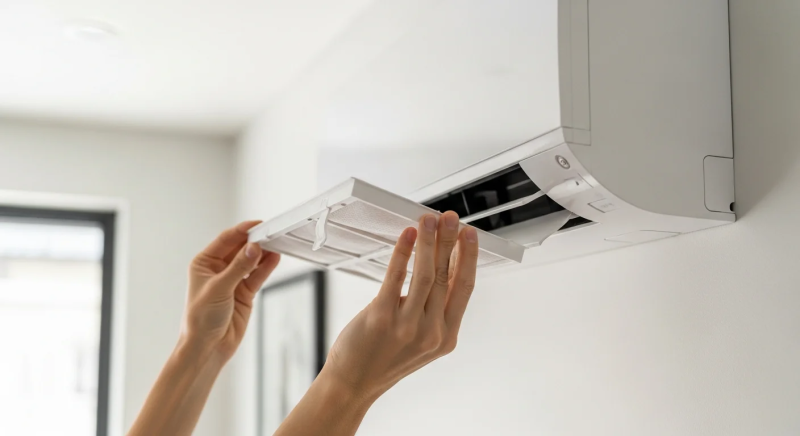
Routine maintenance is equally important. Homeowners should follow the manufacturer’s instructions for filter cleaning or replacement, keep the outdoor unit clear of snow and debris, and arrange professional servicing at recommended intervals. Avoid chipping ice from the unit with sharp tools or interfering with its defrosting mechanisms.
Can One System Provide Heating and Cooling All Year?
For many homes, a properly selected heat pump can provide winter heating and summer cooling. Nevertheless, every property has different requirements, and some households may benefit from retaining a supplemental heating source.
When considering heat pump installation in Kamloops, homeowners should evaluate comfort expectations, electrical capacity, installation requirements, and the condition of existing equipment. It is also worth asking about warranties, maintenance schedules, expected service requirements, and the system’s performance during colder periods. Greenfoot Energy Solutions provides HVAC services for homeowners exploring heating and cooling options in the Kamloops area. Discussing the property’s requirements with an experienced professional can help clarify equipment suitability, installation considerations, and potential next steps.
Conclusion
Cold climate heat pumps in Kamloops can be a practical option for homeowners seeking year-round heating and cooling, provided the equipment suits the property’s requirements and local weather conditions. Understanding common myths helps separate realistic expectations from unsupported promises. Careful system selection, professional installation, appropriate insulation, and regular maintenance all contribute to effective performance. Greenfoot Energy Solutions can help local homeowners explore their HVAC options and understand the factors involved in choosing a suitable heating and cooling system.
Planning a heating or cooling upgrade? Visit the Kamloops location on Google Maps to explore the service area and find a convenient starting point for your HVAC enquiry.
Frequently Asked Questions
Are cold climate heat pumps suitable for Kamloops winters?
Yes, some models are built to operate in freezing conditions, but performance varies by equipment and outdoor temperature. Proper sizing and an assessment of supplemental heating needs are important.
Can a heat pump replace my existing furnace?
It may be possible, depending on the home’s heating load, the selected equipment, and winter conditions. A qualified professional can assess whether supplemental heating should remain available.
Can heat pumps provide air conditioning in summer?
Most air-source heat pumps offer both heating and cooling by reversing the heat-transfer process. Correct sizing and installation help the system meet the property’s cooling requirements.
What affects heat pump operating costs?
Outdoor temperatures, electricity rates, equipment efficiency, insulation, thermostat settings, and household usage all influence costs. Comparing estimated annual energy consumption with the existing system provides a more useful assessment than relying on general savings claims.
How often should a heat pump be maintained?
Follow the manufacturer’s maintenance schedule and keep filters and outdoor airflow paths clear. Professional inspections at recommended intervals can help identify performance issues and maintain efficient operation.


